From fire alarms to evacuation plans, US offices must comply with strict regulations to minimize risk and meet insurance and legal standards.
This article explores how American companies can strengthen fire safety through proper fire warden (brigade) training.
Read on to discover how to navigate certification renewals with confidence.
Why Fire Safety Matters in US Offices
According to the National Fire Protection Association (NFPA), thousands of commercial fires occur each year, causing billions in property damage and tragic losses of life.
Fire safety in the workplace protects more than just assets—it safeguards employees and visitors from harm.
That’s why understanding the full scope of fire safety—training, equipment, documentation, and inspections—is essential for every organization.
How Fire Brigade Training Prepares Offices for Emergencies
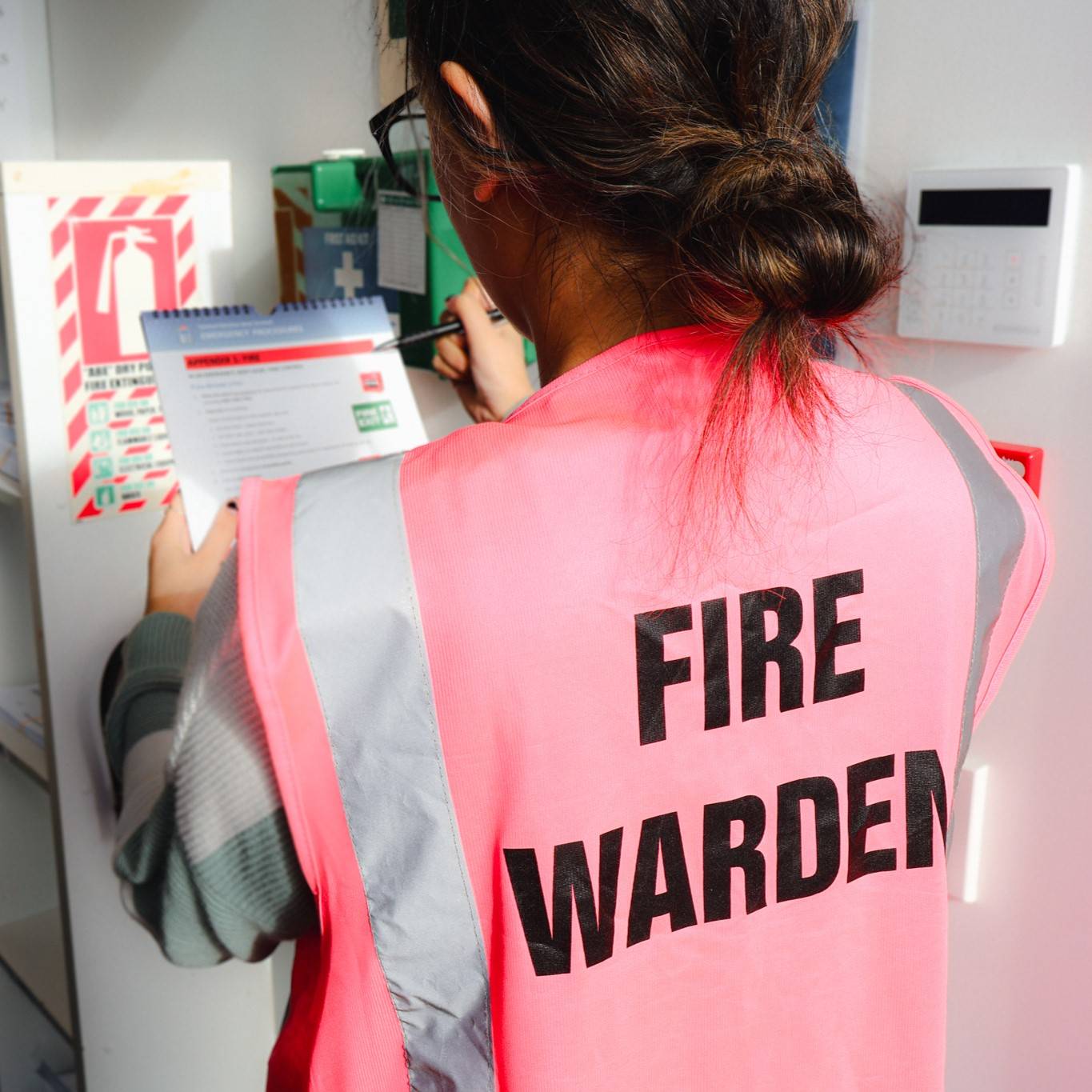
In the US, fire warden (sometimes called fire brigade) training equips designated employees with the knowledge and skills to lead evacuations, assist during emergencies, and communicate effectively with first responders.
Employers are responsible for selecting suitable fire wardens and ensuring they receive regular training updates.
Well-trained fire wardens not only enhance safety but also help organizations pass compliance inspections, reducing legal and insurance risks.
Keeping Fire Safety Documentation and Certifications Up to Date
In the US, many businesses must obtain fire safety certifications from local fire departments or regulatory bodies.
Check that all fire extinguishers are inspected and tagged, alarms are functioning, and exit routes are unobstructed.
Certification isn’t a one-time event—renewals are typically required every few years or after major renovations or occupancy changes.

Ongoing Strategies for Workplace Fire Prevention
US offices that prioritize ongoing safety measures are less likely to face emergencies and better prepared when incidents occur.
Ensure that emergency exits remain unlocked, clearly marked, and free of obstructions at all times.
Employee engagement matters too.
Why Compliance Matters for Liability and Coverage
Failing to meet fire safety standards can have severe legal and financial consequences for US businesses.
In the event of a fire, inadequate documentation or proven negligence may result in denied claims, leaving businesses to cover damages out of pocket.
Investing in compliance is not just about avoiding penalties—it’s about protecting your assets, your team, and your future.
Conclusion: Building a Fire-Safe Workplace
Creating a fire-safe workplace is not just about ticking regulatory boxes—it’s about protecting lives, preserving property, and fostering a culture of responsibility.
They not only meet legal obligations but also build trust with employees, clients, and insurers.
As fire risks evolve and workplace environments change, staying proactive is essential.
FAQ About Office Fire Safety
Who needs fire warden training in a US office?
Typically, designated employees such as team leads, managers, or safety officers receive fire warden training.
When do I need to update fire safety inspections?
Regular internal reviews help ensure continuous compliance and smooth renewal processes.
What should companies watch out for to prevent fires?
Good housekeeping and equipment maintenance are key to fire prevention.
Can non-compliance void my business insurance?
Failing to meet these standards may reduce payout or lead to denied claims in case of a fire.
What should be included in an office fire safety plan?
A good fire safety plan includes evacuation routes, assembly points, alarm procedures, roles for fire wardens, communication protocols, and equipment locations.
acesse o link descubra como